
January always seems to usher in a multitude of diet plans as people try to shed the holiday weight. Despite these fluctuating fads, beef has remained a mainstay of healthy diets over the last two decades.
But not all beef is created equal. Not all of it is even healthy. Even the most enthusiastic beef eaters among us might still have questions about where their beef comes from and how it’s processed. This concern is valid, as grocery store beef is not always trustworthy.
Why grocery store beef is questionable
The first question to consider when purchasing beef at your grocery store is the meat’s origin. There is typically no way to know where the beef came from or how long it was in transit. Many shoppers think they can determine the beef’s freshness by the color of the meat, but some stores use carbon monoxide as a color stabilizer, meaning that bright red hue could be artificial.
Other shoppers go by the sell-by date on the package. However, if the grocery store packages its own meat at a butcher counter, they have the ability to determine the sell-by date regardless of how old the meat is. This means that they can even adjust the sell-by date if they decide the meat still looks fresh enough to be sold, making those “manager’s specials” doubly iffy.
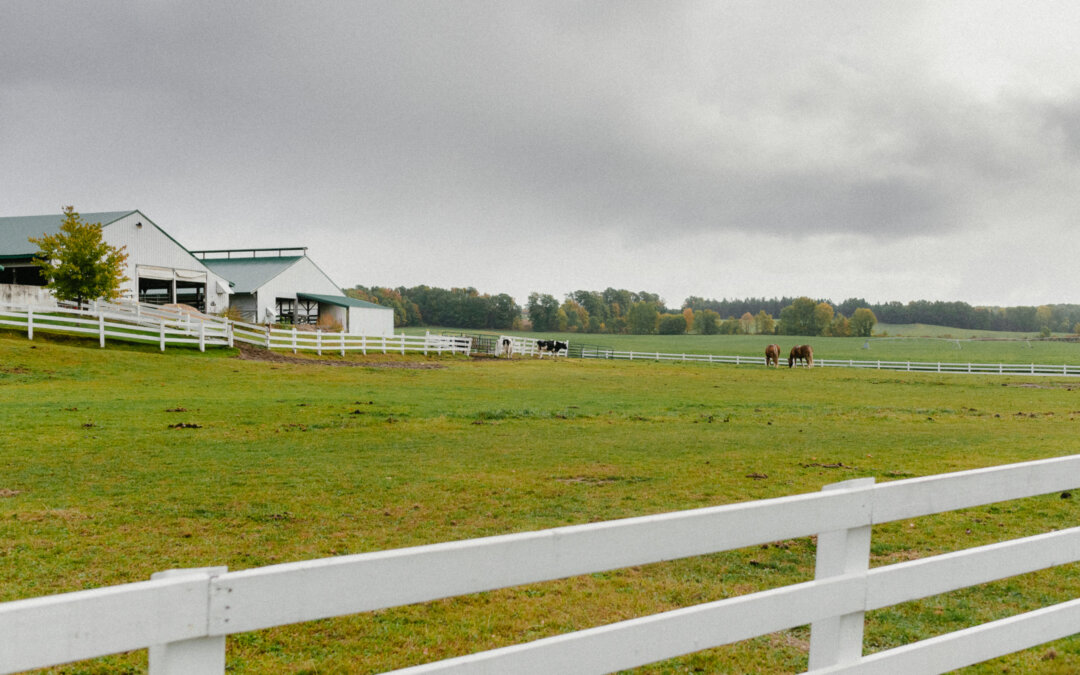
If you plan to continue cooking and eating beef in 2024, there is an affordable, healthy, ethical, local alternative to grocery store beef – Country Dairy’s custom beef cutting service, where you’re buying direct from a farm and helping support a local economy.
Raising beef steers right
Good beef begins at birth, with the care and keeping of calves. Calves that are going to be raised for beef, not milking, follow a different path than their dairy-destined counterparts. Calves raised for beef are called beef steers.
Country Dairy strives to raise beef steers that produce lean, well-marbled, exceptionally tasty meat. This means that their steers eat a grain-based diet. On average, a Country Dairy beef steer consumes about twenty pounds of grain per day. This includes seventeen pounds of corn, two pounds of oats to provide some roughage for their rumen (part of the bovine stomach system), and one pound of protein and mineral pellets for health.
At Country Dairy, no growth hormones are ever used. This means that the steers are raised to about fourteen or fifteen months of age before they are slaughtered. In contrast, farms that use growth hormones often slaughter their steers earlier, at twelve or thirteen months of age. Country Dairy believes that avoiding growth hormones is worth the wait.
Ethical processing
When it comes to the slaughtering of livestock, transparency matters. The beef you buy at the grocery store is typically sold by a farm at auction to a slaughterhouse. It is then processed, often frozen, and packaged and shipped out to grocery stores around the country. If you want to find out where the beef steer that contributed to your steak was raised, you may never get your answer.
In contrast, all Country Dairy beef steers are slaughtered locally at the USDA-regulated Sanders Meats in Custer, Michigan. The meat is then returned in large pieces to Country Dairy for custom cutting on site at the farm.
Custom cutting
Rather than purchasing individual, small packages of beef as needed, Country Dairy customers often find it more affordable and convenient to order a quarter or half of a beef steer that can feed their family all year long. When you order a quarter or half of a steer from Country Dairy, you get to select all the cuts of beef yourself based on your family’s preferences. Some popular choices include:
- Prime steaks like New York strip or sirloin
- Chuck or round roasts
- One- or two-pound portions of ground beef
In 2024, the beef is only $4.35 per pound regardless of the cuts you choose. If you want an affordable, healthy, ethical, local alternative to grocery store beef, call Brenda, meat manager, at 231-578-9058. She’ll walk you through the entire process, whether this is your tenth time ordering or your first. You’ll rest easy knowing that your family is consuming high quality, trustworthy beef this year.